

Emergency handling, storage, and transportation of hydrofluoric acid
Release time:2026-04-24
Page views:0
Article Preview: 1. Hazards of hydrofluoric acid; 2. Emergency treatment for accidental exposure to hydrofluoric acid; 3. Safe storage of hydrofluoric acid; 4. Safe transportation of hydrofluoric acid.
What are the hazards of hydrofluoric acid to the human body? The most significant hazardous characteristic of hydrofluoric acid is its corrosivity, which exerts strong irritation and corrosive effects. Upon contact with the skin, initial burns may manifest as skin flushing, dryness, and pale wounds. It can dissolve fat and decalcify, leading to persistent local tissue necrosis, which may turn purple-black or gray-black. In cases of deep burns or improper treatment, it can form deep, difficult-to-heal ulcers, affecting the periosteum and bone. This often leads to acute fluorosis, which can cause liquid necrosis of the epidermis, dermis, subcutaneous tissue, and muscular layer. Symptoms may include hypocalcemia, hypomagnesemia, ventricular arrhythmias, and even cardiac arrest. Myocardial enzyme tests may show significant elevation. The pain may not be noticeable immediately after skin contact but becomes pronounced 1-8 hours later. If not treated promptly, it can be fatal.
If hydrofluoric acid is accidentally touched, how should it be handled? If inhaled, quickly evacuate the area to a place with fresh air and keep the respiratory tract unobstructed; if breathing is difficult, administer oxygen; if breathing stops, immediately perform artificial respiration and seek medical attention. If ingested, rinse the mouth with clean water as soon as possible, drink milk or egg white, and seek medical attention. If skin comes into contact, immediately remove contaminated clothing and rinse with copious amounts of flowing clean water for at least 15 minutes, then seek medical attention. If eyes come into contact, immediately lift the eyelid and thoroughly rinse with copious amounts of flowing clean water or saline for at least 15 minutes, then seek medical attention. Specific antidote: Calcium gluconate is a specific medicine for treating hydrofluoric acid injuries. Calcium gluconate chelates free fluoride ions, forming an insoluble salt, which neutralizes their toxic effects and alleviates pain. Hexafluoro is a new solvent used to remove hydrofluoric acid. It is an amphoteric substance used to neutralize or chelate free hydrogen and fluoride ions, thereby controlling tissue damage. How to store hydrofluoric acid safely? 1. Store in a dedicated, cool, dry, and well-ventilated warehouse. The temperature of the warehouse should not exceed 30°C, and the packaging should be sealed. It should be stored separately from alkalis, active metal powders, and glass products, and must not be mixed together. The storage area should be equipped with leakage emergency handling equipment and suitable containment materials. If hydrofluoric acid is stored for a long time, it may polymerize due to the effect of a small amount of water, generating a dark brown polymer. Since polymerization is an exothermic reaction with autocatalytic effects, it may sometimes explode suddenly. Therefore, special care should be taken during storage, and the storage time should not be too long, with attention paid to adding stabilizers. 2. The hydrofluoric acid storage area should be equipped with a cofferdam, the ground should be treated to prevent infiltration, and inverted tanks or storage pools should be provided. The storage area should be equipped with suitable materials to contain leakage. 3. Regularly inspect hydrofluoric acid storage tanks, tank cars, valves, and pumps to prevent leakage. How to transport hydrofluoric acid safely? 1. Transportation should comply with relevant regulations on the safety supervision and management of dangerous goods transportation and the requirements of JT/T617. During transportation, prevent exposure to sunlight and violent impact; it should not be transported together with alkalis, active metal powders, and glass products in the same vehicle; without approval from public security authorities, transport vehicles must not enter areas where dangerous chemical transport vehicles are restricted. Hydrofluoric acid is a dangerous goods with a classification of 8+6.1, UN1790.
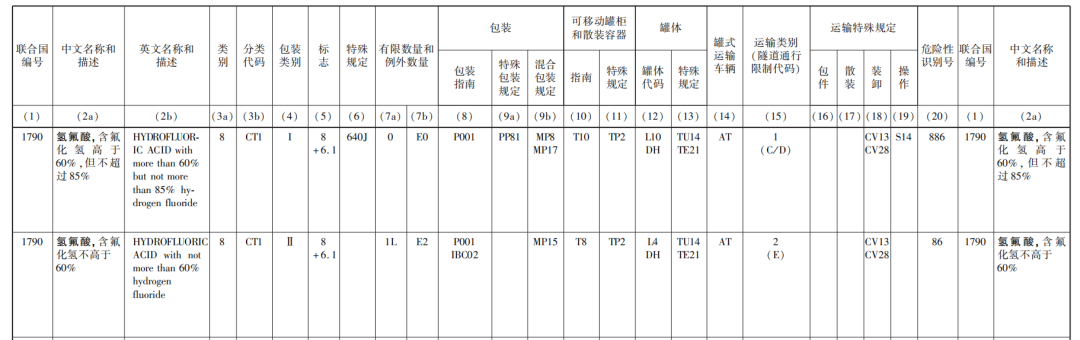
2. When transporting with other packaging containers, the containers must be sealed with lids made of corrosion-resistant materials; the transport vehicles should meet fire safety requirements and be equipped with corresponding fire-fighting equipment; when entering the factory area, the transport vehicles should maintain a safe speed.
3. Hydrofluoric acid handlers must pay attention to protection and wear necessary protective equipment as required; during handling, management personnel must be on site to supervise the unloading and loading; handling is not recommended at night or in poor lighting conditions, or on rainy days; if handling is necessary in special circumstances, it must be approved by the department head, and relevant measures such as sheltering from rain should be taken; smoking is strictly prohibited during handling; staying in residential areas and densely populated areas is prohibited.